16.11.2026
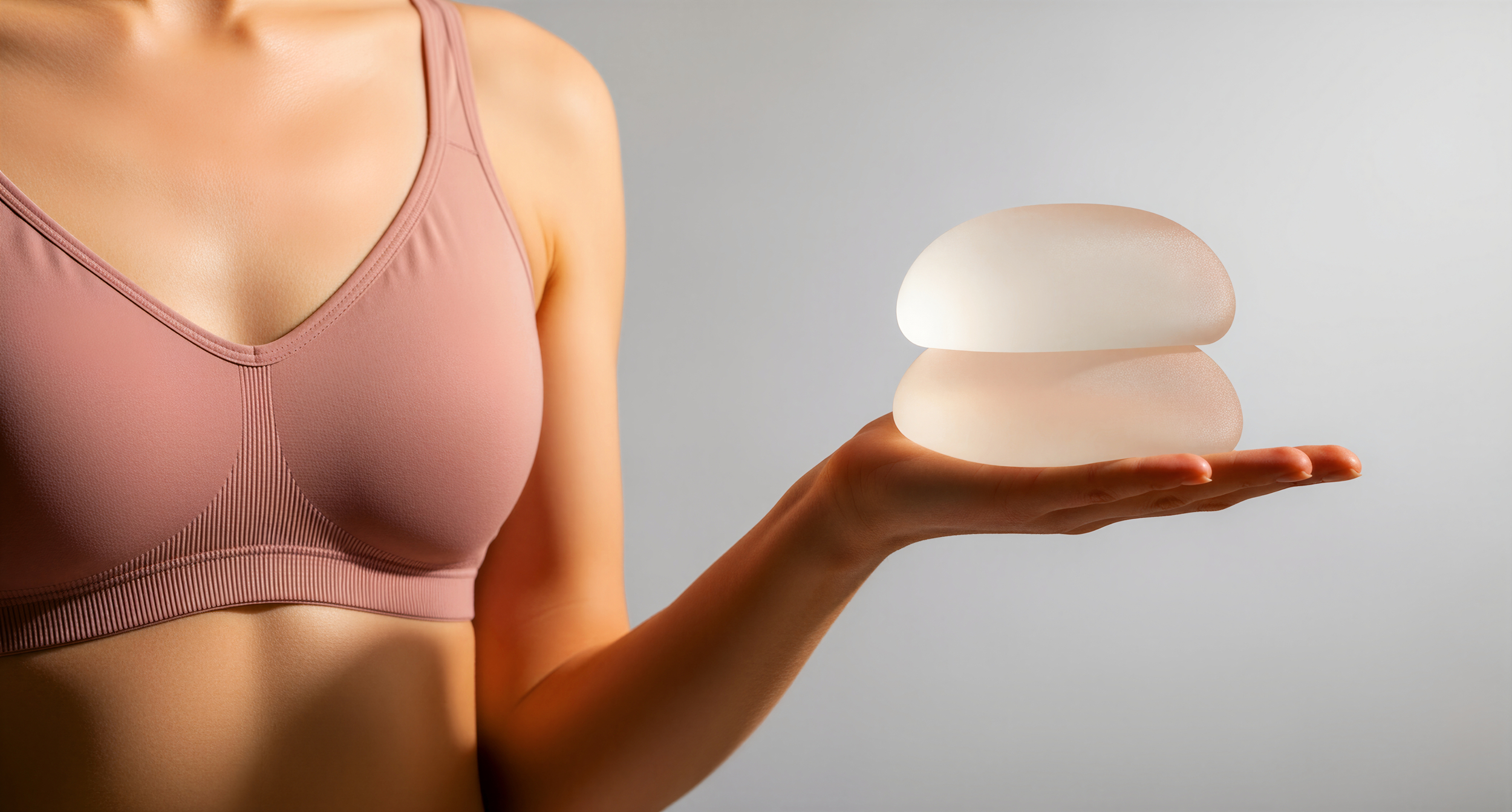
After breast augmentation surgery, you can usually go for walks within the first few days. Intense exercise and physical strain on the upper body should be resumed gradually and only after your surgeon gives the go-ahead. How quickly this is possible depends on the procedure, the position of the implant, and your individual healing process. This guide clearly outlines the different phases.
After breast surgery, several structures must heal together: the incisions, the tissue surrounding the implant, and—depending on the technique—the implant pocket. This is the space the surgeon creates in the tissue to accommodate the implant. Swelling and a feeling of tightness are common during this phase.
Significant pulling or pressure can interfere with this healing process. Therefore, sudden arm movements, lifting, and stretching should be avoided during the initial recovery period. Our specialists recommend taking it easy at first and carefully limiting physical activity.
Taking it easy does not mean doing nothing. It protects the incisions and the implant pocket while the tissue is still too fragile to withstand strain.
The surgeon always sets specific timelines following the follow-up visit. A phased approach, such as the one described by the American Society of Plastic Surgeons (ASPS) for returning to sports after breast augmentation, serves as a guideline. Dr. Limbourg’s practice adds that, for breast lifts, exercise should be resumed gradually: start with light activity, and wait for medical clearance before resuming intense workouts—especially upper-body exercises.
| Phase | What Is Generally Possible | What You Should Avoid |
| First Week | Short, leisurely walks | Strenuous activity, lifting, sudden arm movements |
| Weeks 2 through 3 | Brisker walking, light exercises | Exercises involving the upper body and arms |
| From about weeks 4 to 6 | Gradually increase intensity after clearance | Maximum intensity, exercises that heavily engage the chest muscles |
| After that | Resuming your usual workout routine after consultation | Abrupt return to full training volume |
These guidelines are general recommendations and do not replace a doctor’s clearance. If swelling, bruising, or pain occurs, training should be limited, as advised by the ASPS.
The first week: move gently
In the first few days, the focus is on recovery. Short walks promote blood circulation and help reduce swelling. During this time, do not lift anything heavy and avoid jerky movements with your arms, such as reaching up into cabinets.
Weeks 2 through 6: Gradually Increasing Activity
As the wound heals, increase your walking pace and add light exercises for your legs and core. Avoid upper-body exercises at first. Mild swelling, a feeling of tightness, and bruising are not unusual during this phase and usually subside within a few days to weeks. Be sure to schedule your follow-up appointments: During these visits, your specialist will assess wound healing and scar formation and approve the next level of physical activity.
After Approval: Gradual Progression Rather Than a Fresh Start
Even after receiving approval, a gradual return to exercise is recommended. Start with lighter weights and smaller volumes than before the surgery and gradually increase them over several weeks. The final results of breast surgery are not visible until several months have passed, and the tissue adapts slowly to full exertion.
Start with the legs first, then the upper body—and make any increases only after consulting with your doctor.
An implant can be placed under the pectoral muscle (submuscular) or on top of the muscle beneath the glandular tissue (subglandular). The appropriate placement depends on the patient’s anatomy, tissue thickness, and surgical plan.
With a submuscular placement, the pectoralis major muscle is involved at the implant site. Exercises that strongly contract this muscle—such as bench presses, push-ups, or flys—therefore place greater stress on the implant pocket. A review article on so-called “animation deformity” (Archives of Plastic Surgery, 2019) describes how the implant can visibly move along with the muscle when it contracts. The author suggests a connection to the extent of muscle involvement but considers the evidence from existing studies to be limited.
For you, this means: Strength training is generally possible again after full healing, but you should discuss your exercise selection with your surgeon. Ask specifically about the position of your implant and which exercises you should avoid until you’re fully healed.
The more the pectoral muscle is involved, the more carefully you should plan your return to strength training.
The following guidelines outline what matters most for each sport. They do not replace the approval of your specialist. The more a sport strains the arms, shoulders, and chest muscles or causes the chest to jolt, the later it is generally advisable to resume it. Those who exercised regularly before surgery will benefit from a clear plan that sets intermediate goals and prevents setbacks.
| Sport | What Matters |
| Walking | Recommended from the start at a gentle pace |
| Yoga | Gentle forms can be done early on; support and stretching positions for the chest and arms only after clearance |
| Running/Jogging | Impact on the chest: only after consulting with the specialist |
| Swimming | Arm strokes put strain on the chest and shoulders: only after the wound has healed and clearance has been given |
| Strength training | Upper body last; build up exercises involving the chest muscles with particular care |
| Horseback riding | Risk of jolts and falls: Determine the appropriate time on an individual basis |
Immediately after surgery, you will typically wear a support bra. Dr. Limbourg’s practice recommends wearing a well-fitting support bra consistently for several weeks as part of your aftercare. A sports bra can be worn later to complement it. According to the ASPS, a supportive sports bra helps keep the breasts securely and comfortably in place during exercise.
Things to look for:
Discuss which model and how long to wear it are appropriate for your procedure during your follow-up visit.
When can I start exercising again after breast augmentation?
Light exercise, such as walking, is usually possible early on. More intense exercise is generally resumed gradually starting around the fourth to sixth week, always after receiving clearance. You should exercise caution with upper-body exercises for a longer period of time.
Does this also apply to exercise after a breast lift?
The basic principle is similar: rest first, then a gradual increase in activity. After a breast lift, lifting, stretching, and jerky arm movements should be avoided initially, and upper-body training should not begin until you receive medical clearance. Clinicians consider weeks 2 through 6 to be the critical healing period. The final result takes several months to develop.
Is strength training possible with breast implants?
Generally, yes—once healing is complete and with an appropriate selection of exercises. The position of the implant and your medical findings will determine which exercises are suitable.
In addition to physical strain, other factors influence how well you’ll be able to resume your workout routine after breast surgery. Direct sunlight on the scars should be avoided for an extended period, as UV light can negatively affect scar formation. Begin scar care as soon as the wounds are completely closed. Avoiding nicotine promotes blood circulation and thus supports wound healing.
When exercising outdoors, make sure your sports bra and clothing cover the scars, and apply sunscreen as soon as your skin allows it. Also, be sure to schedule enough rest days. Recovery is part of the healing process and not a sign that you’re falling behind.
Self-diagnosis is not possible. Therefore, take any changes seriously and contact us promptly if you notice the following:
If you experience pain, stop exercising. A doctor’s assessment takes precedence over any rule of thumb.
Mobility is important early on after breast surgery, but intense exercise should be postponed until later. Return to your usual activities in stages: start with walking, then gradually increase the intensity, and work on your upper body last. If you’re patient and attend your follow-up appointments, you’ll create the best conditions for a smooth recovery. The timing depends on the procedure, the implant placement, and your healing process.
At Dr. Limbourg’s practice in Hanover, specialists in plastic and aesthetic surgery will guide you from your initial consultation through to follow-up care. If you have any questions about physical activity before or after breast surgery, we’d be happy to discuss them with you during a no-obligation consultation.
Whether you’re looking for a change, a correction, or a fresh start—we’ll take the time to listen to you. During a one-on-one consultation, we’ll work together to determine what’s possible and what’s truly right for you. We’ll approach this with empathy, honesty, and as equals. Schedule your consultation today at our practice in Hanover.