07.11.2026


Anne Limbourg, M.D., Assistant Professor
Board-Certified Specialist in Plastic and Aesthetic Surgery
Whether breastfeeding is possible after breast augmentation, a breast lift, or breast reduction depends largely on the incision technique chosen and the implant placement. In most cases, the milk duct system remains intact and the ability to breastfeed is generally possible—however, there is never a guarantee, as individual anatomical factors and the healing process also influence the outcome.
It is important to distinguish between two issues: The ability to breastfeed depends on the milk duct system and glandular tissue, while sensation depends on the nerves of the nipple. We will address both of these separately here.
The breast consists of glandular tissue connected to the nipple via a system of milk ducts, as well as adipose tissue and strands of connective tissue. Sensation in the nipple and areola is primarily mediated by the fourth intercostal nerve, which enters the breast laterally.
Surgical procedures that sever the central milk duct system or this nerve can impair the ability to breastfeed or sensation. With most modern surgical approaches, both structures are preserved; however, this cannot always be guaranteed.
Whether an implant is placed beneath the glandular tissue (subglandular), beneath the muscle (submuscular), or using the dual-plane technique also affects the amount of pressure exerted on the glandular tissue. A submuscular placement generally reduces direct pressure on the glandular tissue. We explain the differences between these techniques in our article comparing implant placement methods.
In breast lifts and breast reduction surgery, the so-called pedicle design is crucial: The area through which the nipple and areola remain connected to the blood supply, nerve supply, and milk ducts is carefully planned to ensure that these structures are preserved. The larger the amount of tissue to be removed, the more challenging this planning becomes.
Studies on the ability to breastfeed after breast augmentation generally show that the majority of women can breastfeed after the procedure, especially when minimally invasive incision techniques are used. After breast reduction, the data is more varied and depends heavily on the extent of tissue removal and the technique chosen.
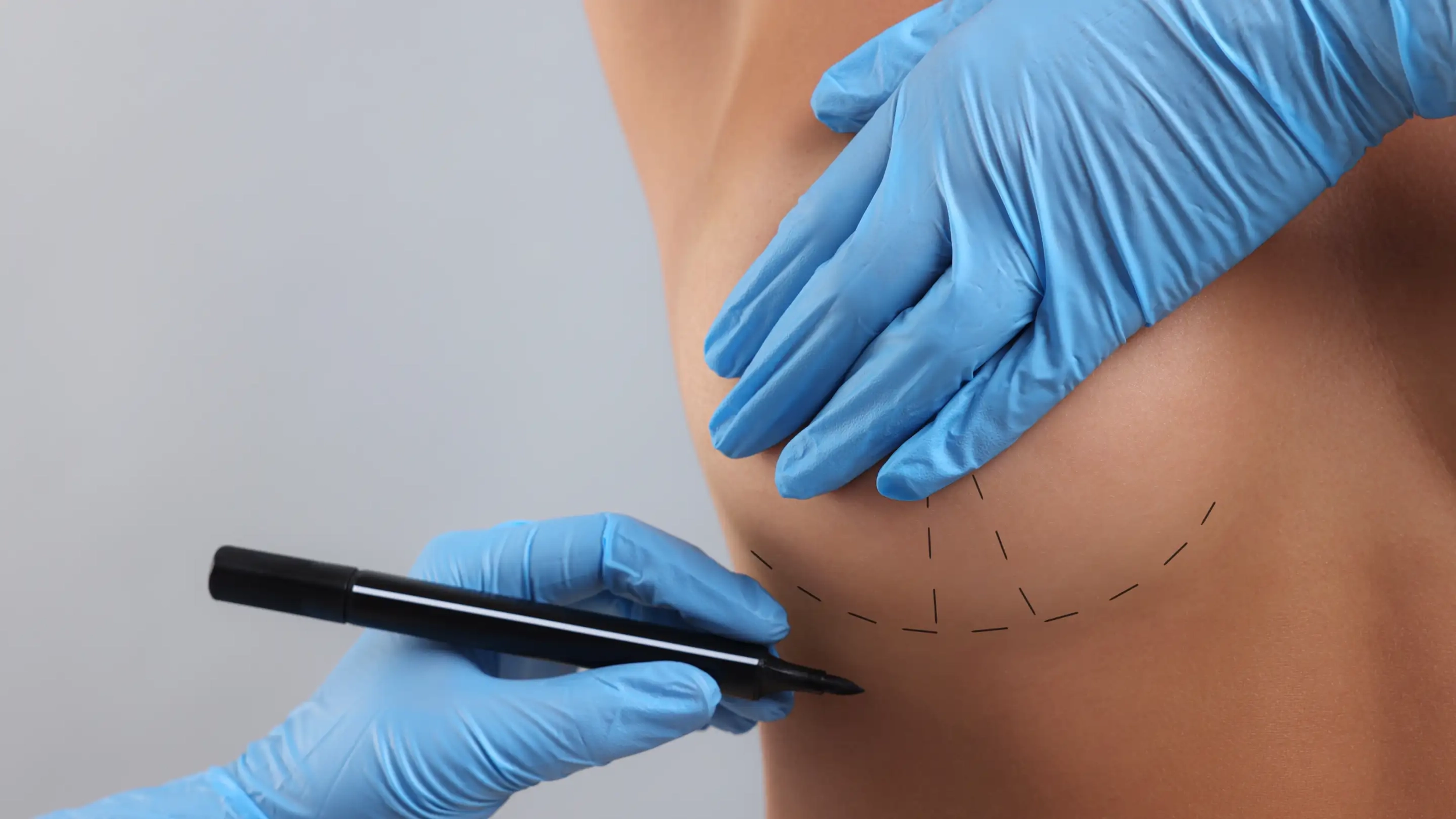
Sensation in the nipple and areola depends on the fourth intercostal nerve. Whether this nerve can be spared during surgery depends on the incision technique, implant placement, and the extent of the procedure: A periareolar approach carries a slightly higher theoretical risk to sensation; for breast lifts and reductions, it depends on the pedicle design, which is also intended to preserve the nerve supply. The implant placement also influences the amount of pressure exerted on the nerve pathways. To learn how the nipple and areola are supplied with blood, read the article on blood flow to the nipple-areola complex.
Temporary changes or a reduction in sensation around the nipple are possible after most breast surgeries and usually resolve within weeks to a few months. Permanent changes in sensation are less common but cannot be ruled out, particularly with more extensive procedures or revision surgeries.
The timing depends on your circumstances. Breast surgery before you have finished planning your family is possible, but the shape and volume of the breasts may change again as a result of a subsequent pregnancy and breastfeeding. Anyone with specific family planning goals in mind should openly discuss this aspect during the consultation.
Hormonal changes during pregnancy and breastfeeding can alter the shape and volume of the breasts, regardless of whether surgery has been performed previously. These natural changes affect both surgically treated and untreated breasts equally and are not a specific risk associated with the surgery itself.
Would you like to discuss your family planning goals and your medical findings in person? Schedule a consultation at Dr. Limbourg’s practice in Hanover.
There’s never a guarantee, but with a minimally invasive incision, the milk duct system is preserved in most cases, and breastfeeding is generally possible.
The inframammary and axillary approaches are considered particularly gentle, as they do not require direct contact with the glandular tissue.
Generally, yes, since breast reduction actually involves the removal of glandular tissue, and the design of the pedicle must be planned with greater precision.
Usually a few weeks to a few months; permanent changes are possible but rare.
Yes, this helps the specialist discuss the surgical technique and timing of the procedure in a way that fits your individual life plans.
Ob Veränderung, Korrektur oder Neuanfang – wir nehmen uns Zeit für Sie. In einem persönlichen Gespräch klären wir gemeinsam, was möglich ist und was wirklich zu Ihnen passt. Einfühlsam, ehrlich und auf Augenhöhe. Vereinbaren Sie jetzt Ihren Beratungstermin in unserer Praxis in Hannover.