
Kerstin Zindel, M.D.
Board-Certified Specialist in Plastic and Aesthetic Surgery

Anne Limbourg, M.D., Assistant Professor
Board-Certified Specialist in Plastic and Aesthetic Surgery
Hardly any other part of the face reveals fatigue as clearly as the eye area. Heavy upper eyelids or under-eye bags make many patients appear more tired or older than they feel—regardless of how much sleep they’ve had or how they’re feeling that day. It’s no wonder that eyelid lifts are among the most commonly requested facial procedures. But not every change around the eyes requires surgery. We’ll explain when an eyelid lift is appropriate, when non-surgical procedures are sufficient, and what factors are important when making this decision.
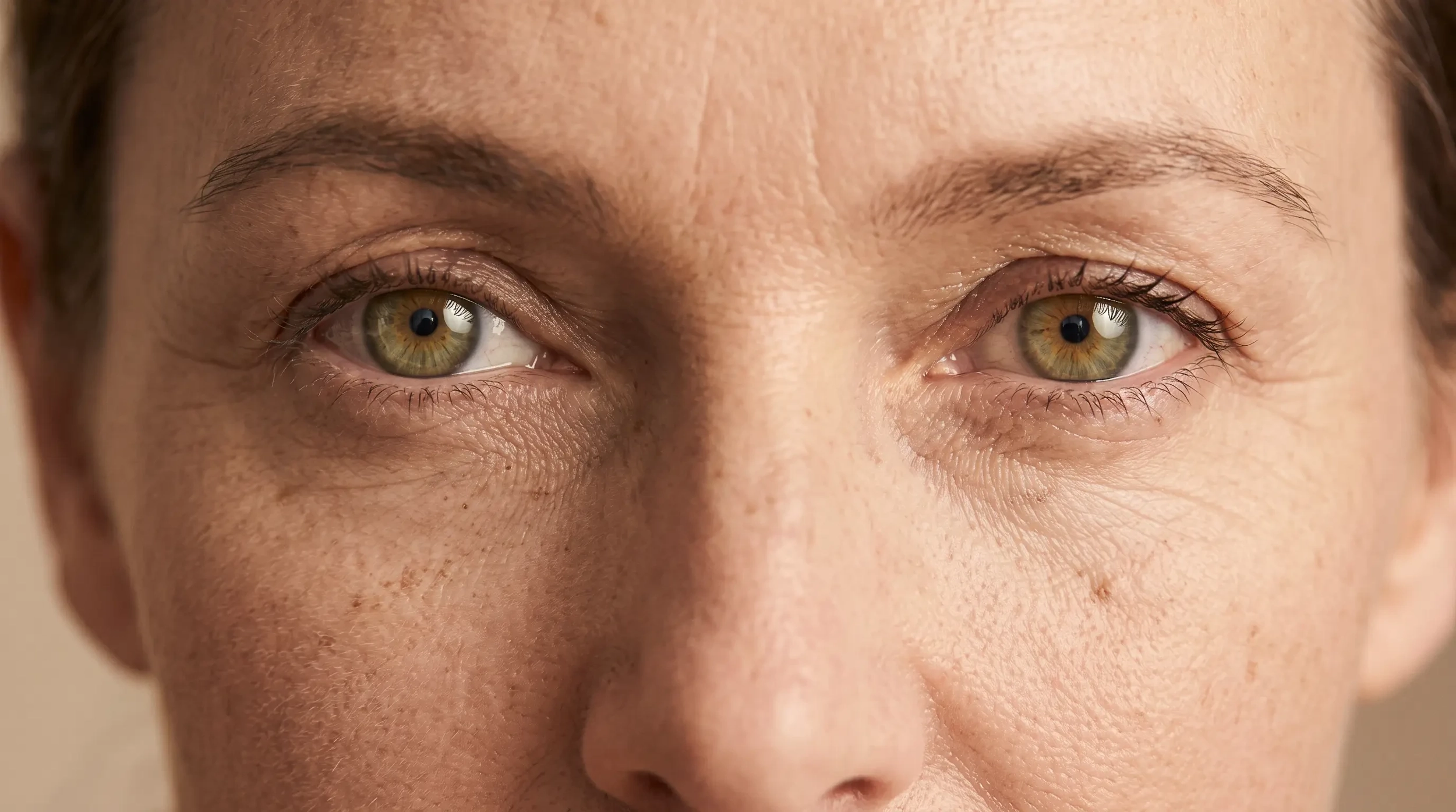
On the upper eyelid, the problem is usually excess skin, known as drooping eyelids: The skin hangs over the natural eyelid crease, making the eyes appear heavy or tired. This often makes it difficult to apply eyeshadow as well, since the movable area of the eyelid becomes smaller. In severe cases, excess skin can even extend into the upper field of vision.
On the lower eyelid, two issues are usually the main concern: protruding fatty tissue, which appears as under-eye bags, and a loss of skin elasticity. This is often accompanied by dark shadows at the junction with the cheek—an issue closely related to our treatment of dark circles and eye wrinkles.
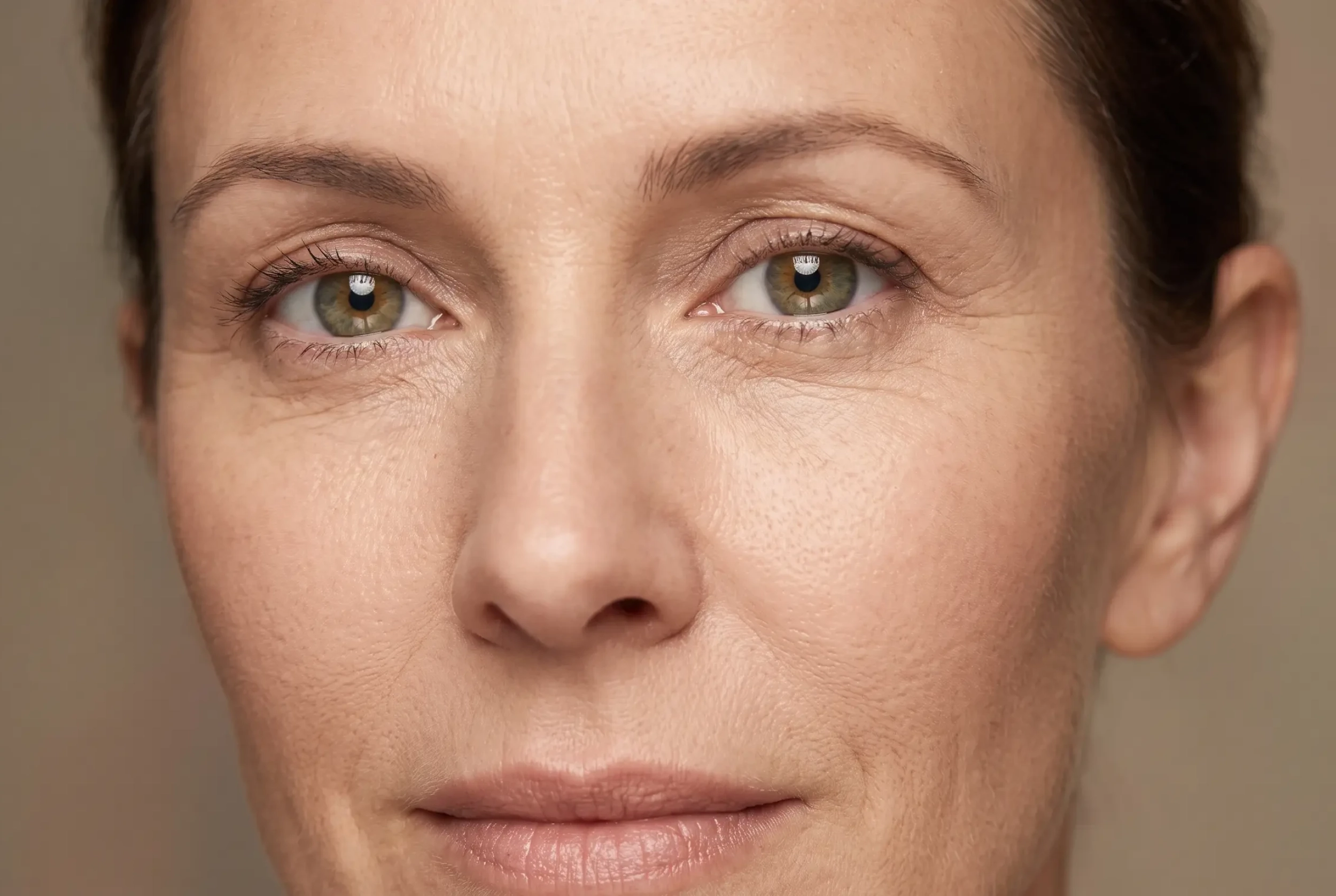
Non-surgical procedures have their place, but they also have clear limitations. Botox can reduce fine crow’s feet and laugh lines at the outer corners of the eyes, but it is not effective against excess skin or protruding fatty tissue. Hyaluronic acid can fill in a sunken tear trough under the eye and thus reduce shadows—but it is no substitute for tightening skin that has sagged due to a loss of elasticity.
The rule of thumb: If the issue is purely a loss of volume or fine lines, minimally invasive procedures such as Botox or hyaluronic acid are often sufficient. If, on the other hand, there is structurally excess skin or protruding fat tissue, this can only be corrected permanently through surgery.
If excess upper eyelid skin is so pronounced that it visibly restricts the upper visual field, it is no longer purely a cosmetic issue. An ophthalmological visual field test (perimetry) can objectively confirm such a restriction. In this case, statutory health insurance may cover a portion of the costs—the specific requirements and scope of coverage are assessed on a case-by-case basis by the respective insurance provider. We are happy to assist you with the necessary medical evaluation.
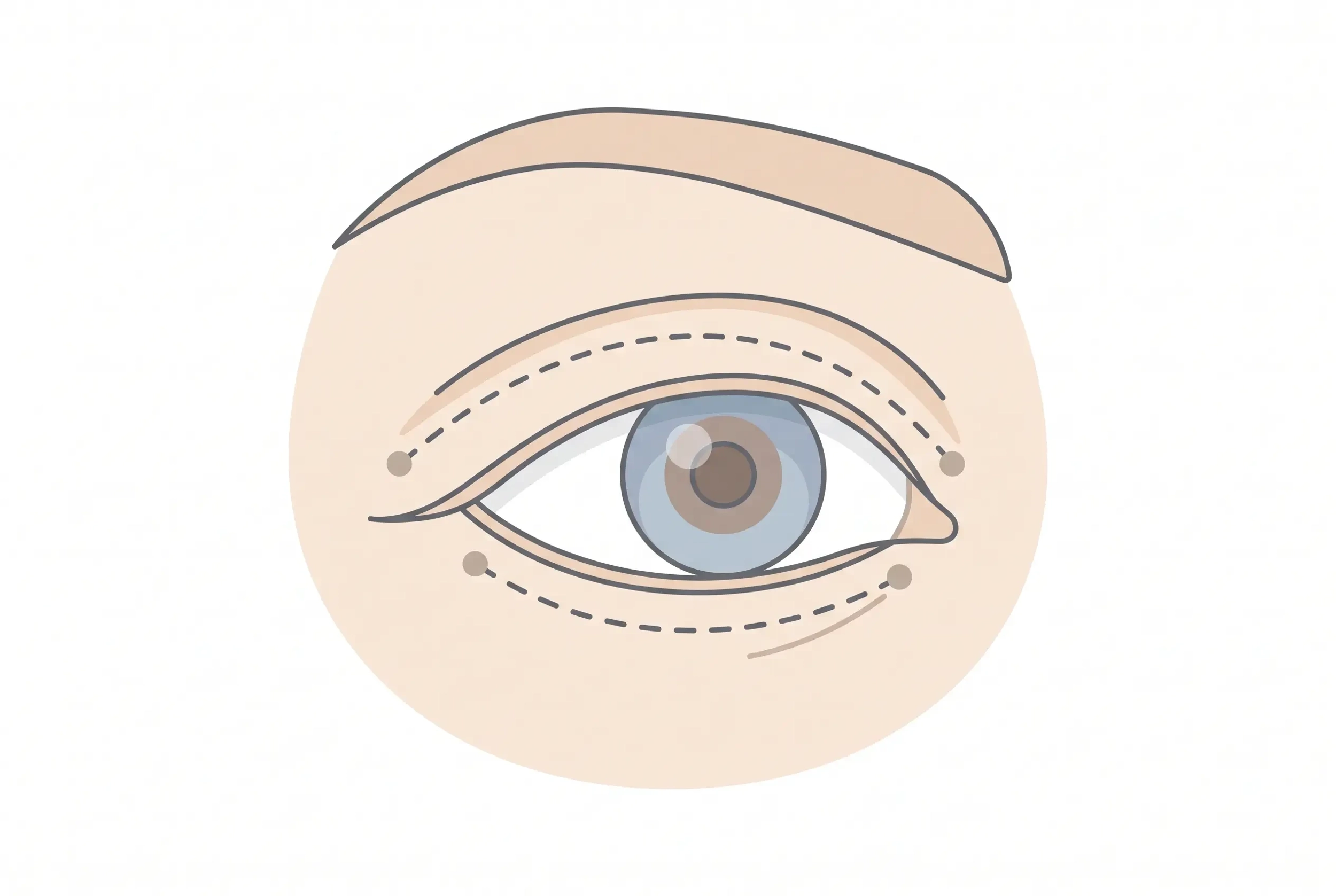
In an upper eyelid lift, the incision is made along the natural eyelid crease, so that the resulting scar is barely visible in everyday life. Excess skin—and, if necessary, some muscle or fat tissue—is removed, and the eyelid crease is redefined.
For lower eyelid lifts, the technique depends on the specific findings: If the main issue is protruding fat tissue without significant excess skin, a transconjunctival approach from the inside of the eyelid may be sufficient—leaving no externally visible scar. If there is additional excess skin, the incision is made externally, directly below the lash line, combined with a skin tightening procedure.
After the surgery, swelling and bruising are to be expected, which usually subside significantly over the course of one to two weeks. Stitches are typically removed after five to seven days. Many patients feel ready to go out in public again after about ten to fourteen days, possibly with the help of light concealer or sunglasses. The final result becomes apparent once the last traces of swelling have completely subsided after a few weeks to months.
An eyelid lift can be combined with other procedures when medically indicated:
• Facelift: if the lower half of the face or the neck has also lost firmness.
• Autologous fat transfer: to add volume to sunken areas around the eyes.
• Botox: as a complementary treatment for crow’s feet, which are not affected by the eyelid lift itself.
We will determine whether a combination is appropriate only after a thorough examination of your individual situation.
Whether you’re looking for a change, a correction, or a fresh start—we’ll take the time to listen to you. During a one-on-one consultation, we’ll work together to determine what’s possible and what’s truly right for you. We’ll approach this with empathy, honesty, and as equals. Schedule your consultation today at our practice in Hanover.