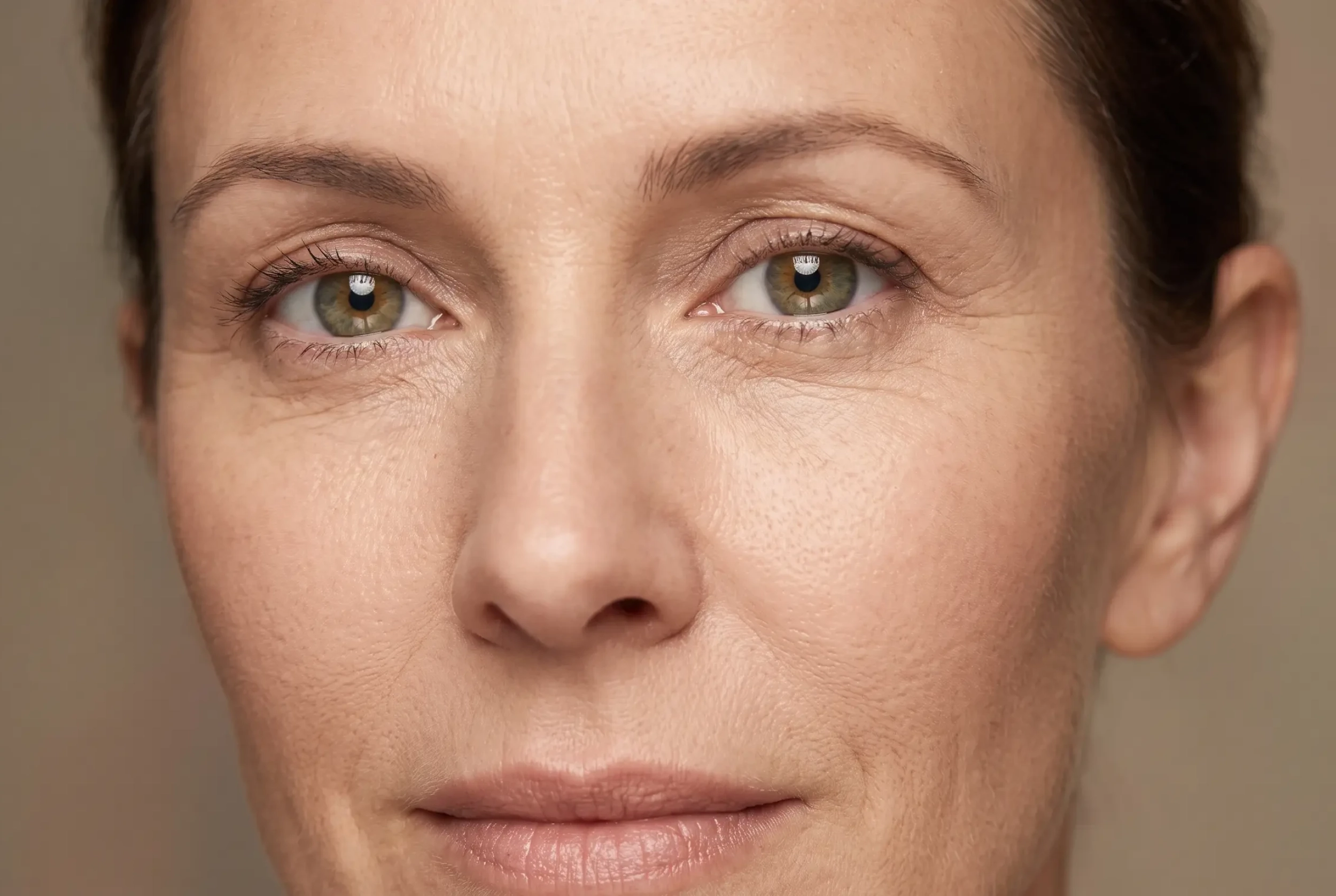

Anne Limbourg, M.D., Assistant Professor
Board-Certified Specialist in Plastic and Aesthetic Surgery
Before undergoing an eyelid lift (blepharoplasty), many patients ask themselves one question above all others: How long does the healing process take, and what can I do during that time? The short answer: Visible swelling and bruising usually subside within one to two weeks, but the final results won’t be apparent until several months later. Below, we explain what’s important during each phase.
During blepharoplasty (eyelid lift), the specialist removes excess skin and, in some cases, small pockets of fat from the upper or lower eyelid. The goal is to achieve an alert, relaxed appearance. The procedure itself takes about 30 to 90 minutes, depending on its extent. As with any surgery, the body needs time afterward to close the wound and regenerate the tissue. This healing process occurs in several phases, the duration of which can vary from person to person.
The healing process following an eyelid lift can be roughly divided into three stages. These are general guidelines—your specialist will discuss your individual recovery process with you during a personal consultation.
The final, stable result can usually only be assessed once wound healing is complete—often after about three to six months.
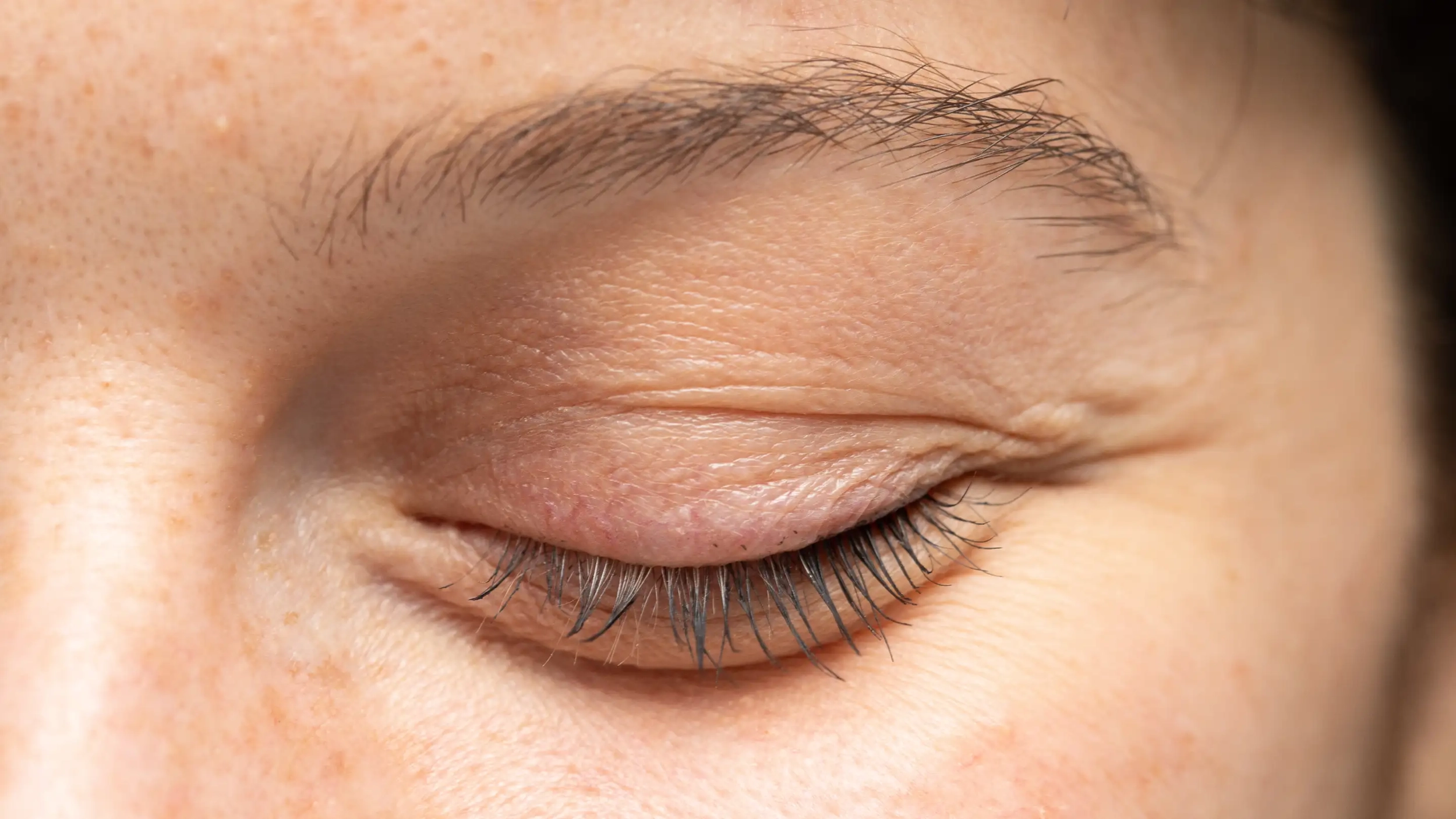
During the acute phase immediately following the procedure, taking precautions can significantly aid healing. The following guidelines are widely accepted and frequently recommended in the medical literature:
To ensure that the healing process proceeds without interruption, it is important to avoid certain activities for a few weeks. These typically include:
Your specialist will determine the specific duration of each restriction on a case-by-case basis—depending on the extent of the procedure and your personal healing process.
A certain degree of swelling, tightness, and discoloration is part of the normal healing process. However, you should take certain signs seriously and discuss them with your doctor’s office promptly:
When in doubt, it’s better to ask one too many questions than to overlook a potential complication. Your specialist will discuss the possible risks of an eyelid lift with you in detail beforehand.
Ob Veränderung, Korrektur oder Neuanfang – wir nehmen uns Zeit für Sie. In einem persönlichen Gespräch klären wir gemeinsam, was möglich ist und was wirklich zu Ihnen passt. Einfühlsam, ehrlich und auf Augenhöhe. Vereinbaren Sie jetzt Ihren Beratungstermin in unserer Praxis in Hannover.