
Anne Limbourg, M.D., Assistant Professor
Board-Certified Specialist in Plastic and Aesthetic Surgery
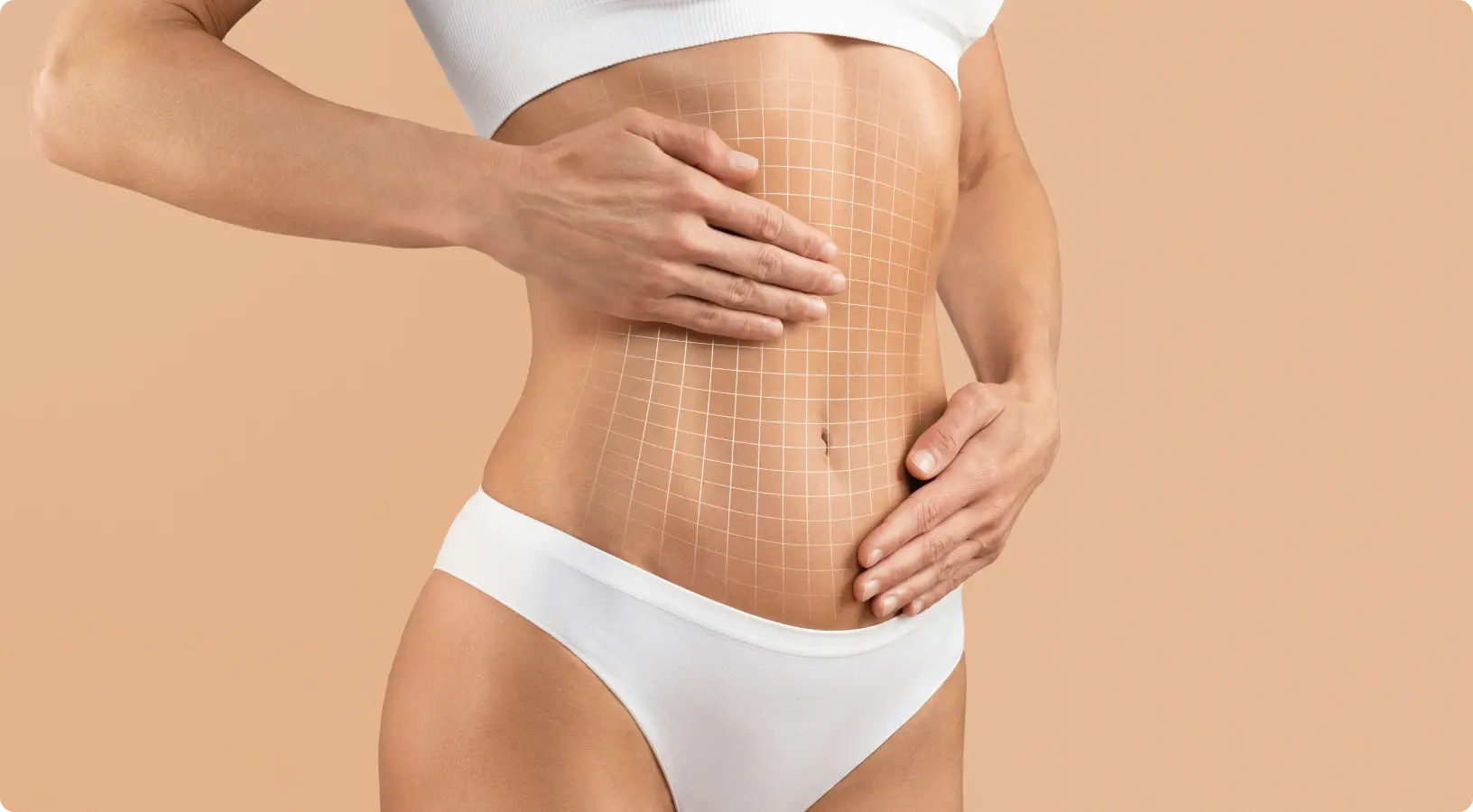
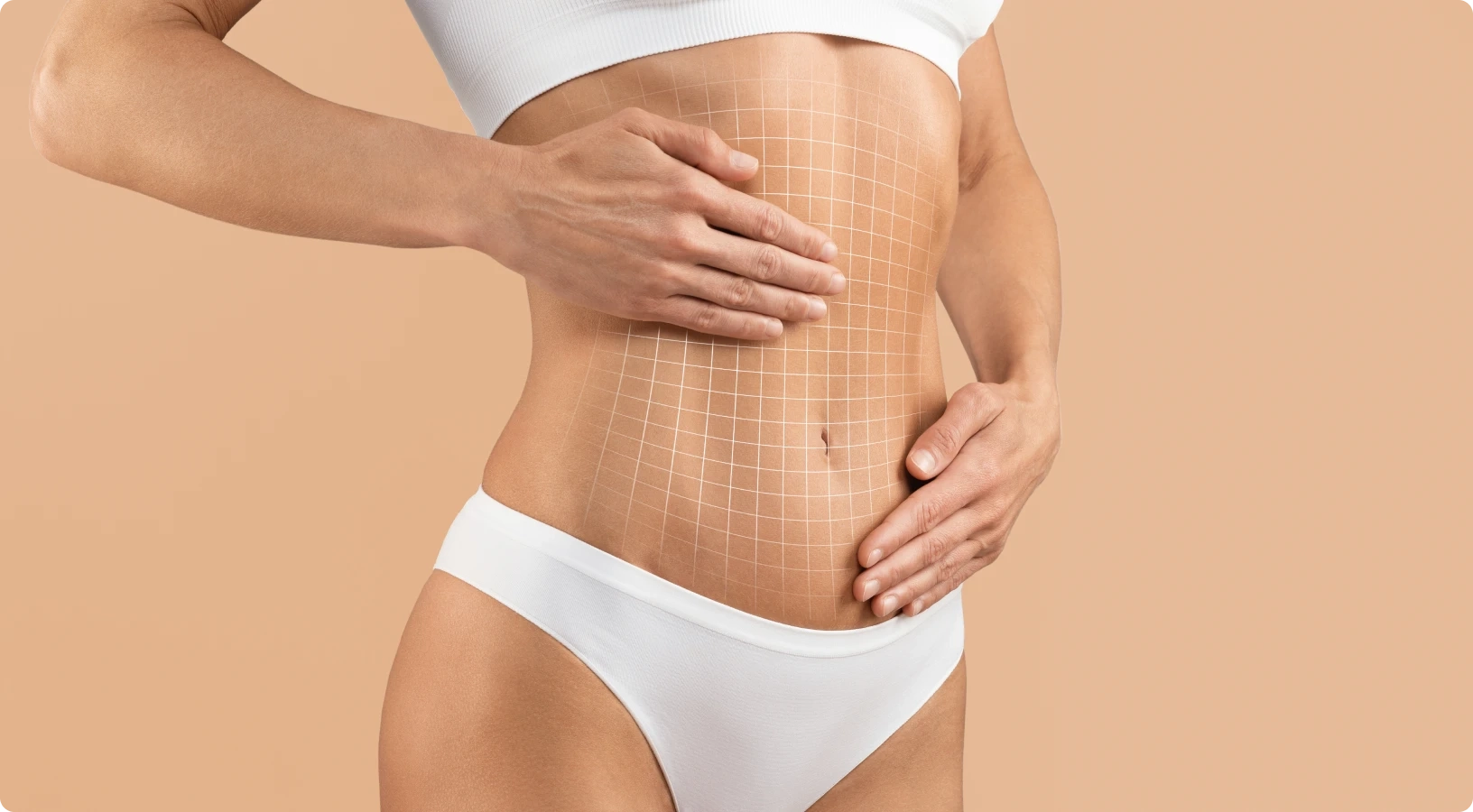
Persistent fat deposits can remain despite balanced eating and regular exercise. Liposuction can reshape selected areas by removing fat cells, but it is not a weight-loss treatment. Different approaches are often discussed, including tumescent liposuction, ultrasound-assisted techniques such as VASER and laser-assisted lipolysis.
This guide compares how these methods work, what they may achieve and where their limits lie. The choice of technique depends on your anatomy, goals and a medical assessment. A consultation can also establish which procedures are available and appropriate at our practice.
Liposuction has developed over decades. The basic principle remains the targeted removal of subcutaneous fat through a cannula to change the body contour. Current methods differ in how the tissue is prepared and how fat is loosened before removal.
It is intended for localised deposits rather than obesity. Common treatment areas include the abdomen, flanks, thighs, arms and sometimes the area under the chin. The suitability of each area depends on skin quality and individual health factors.
Understanding the techniques helps you ask informed questions. The possible benefits and recovery vary, and no one method is automatically best for every patient.
Before fat is removed, the treatment area is infused with a solution containing fluid, a local anaesthetic and a medicine that narrows blood vessels. The surgeon then removes fat with a cannula.
A probe delivers ultrasound energy to loosen fat before suction. It may be considered for selected areas where detailed contouring is needed.
A fine fibre delivers laser energy below the skin to heat fatty tissue. Depending on the technique, loosened fat may be removed with a cannula.
The appropriate method depends on the treatment area, skin elasticity, medical history and the result you hope to achieve. Your surgeon should explain why a particular approach is recommended and what alternatives exist.

Liposuction can improve the contour of a suitable treatment area, but expectations should be realistic.
The skin needs to adapt to the new contour after fat removal. Its elasticity varies with age, genetics, weight changes and other factors. A careful examination helps estimate whether liposuction alone is likely to meet your goals.
If there is significant excess skin, a surgeon may discuss a combined or alternative lifting procedure. Examples include an abdominoplasty for the abdomen or a lift of the arms or thighs. These operations involve different scars, recovery and risks, so the decision needs an individual discussion.
Energy-assisted techniques may cause some tissue contraction in selected cases, but they cannot be relied on to replace surgical removal of substantial loose skin.
Deciding on liposuction is personal. A consultation with a specialist in plastic and aesthetic surgery is the right place to review your health, examine the area and define a realistic treatment goal.
Ask which method is suitable for your situation, which procedures the practice actually offers, how recovery works and what complications or alternatives you should consider. A well-informed decision matters more than the name of a particular technique.
Our team in Hanover is happy to discuss your questions in a personal appointment.
Ob Veränderung, Korrektur oder Neuanfang – wir nehmen uns Zeit für Sie. In einem persönlichen Gespräch klären wir gemeinsam, was möglich ist und was wirklich zu Ihnen passt. Einfühlsam, ehrlich und auf Augenhöhe. Vereinbaren Sie jetzt Ihren Beratungstermin in unserer Praxis in Hannover.